Designing Beyond Fear Towards Ecological Wisdom
The sight of a young child reaching towards a vibrant bloom, instinctively drawn to nature's allure, presents every urban designer with a fundamental question:
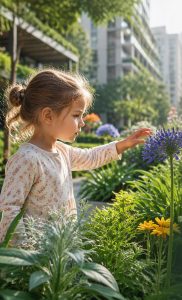 How do we design and cultivate green spaces that embrace both safety and ecological vitality?
This question becomes particularly acute in settings such as schools, hospitals, and public gardens, where well-intentioned calls for "safe plants only" reveal a critical misunderstanding of plant biology itself.
After more than two decades designing living architecture systems, edible gardens and revegetation projects, I've observed that our cultural relationship with plant toxicity tends to oscillate between uninformed fear and dangerous complacency. The reality demands neither extreme, but rather a sophisticated understanding grounded in botanical science and guided by genuine expertise.
A WORD FROM FYTOGREEN's
IN-HOUSE BOTANIST
"Erik van Zuilekom"
Within this blog, we will explore the in-depth requirements and expertise necessary to provide sustainable greening for 2020 and beyond.
Follow Erik on Instagram –
United Natures Design

Beyond Simplistic Labels: Understanding Toxicity
The terms "poisonous" and "toxic" require careful distinction. A poisonous plant contains biochemical compounds that will cause illness or death if ingested in sufficient quantities, think Atropa belladonna (deadly nightshade) or Ricinus communis (castor oil plant).
The term toxic, however, encompasses a broader spectrum: plants whose compounds can cause adverse effects through various pathways, ingestion certainly, but also skin contact, respiratory exposure, or allergic response.
This distinction matters profoundly because many mildly toxic plants pose minimal risk under typical urban conditions, whilst others require careful management. Understanding this spectrum enables informed design decisions rather than blanket prohibitions that impoverish our urban ecosystems.
Plant toxicity evolved as a sophisticated defence against herbivory and pathogen attack. These biochemical compound, called alkaloids, glycosides, terpenoids, and phenolic compound, often provide the very properties that make plants valuable in urban settings, notably: pest resistance, drought tolerance, disease tolerance and structural resilience. Research demonstrates that these defence mechanisms represent evolutionary adaptations that, when properly understood, can benefit designed environments considerably (Barceloux, 2009).
The Deceptive Edible: When Safe Becomes Hazardous
Perhaps the most crucial lesson in plant safety involves recognising that even common food plants harbour toxic components. Solanum tuberosum (potato) tubers nourish billions of people across the planet, yet their green shoots, leaves, and sun-exposed tubers contain toxic compounds causing gastrointestinal and neurological symptoms if consumed in significant amounts. Similarly, Rheum rhabarbarum (rhubarb) stalks feature in countless culinary preparations, whilst the leaves concentrate oxalic acid at levels toxic to humans.
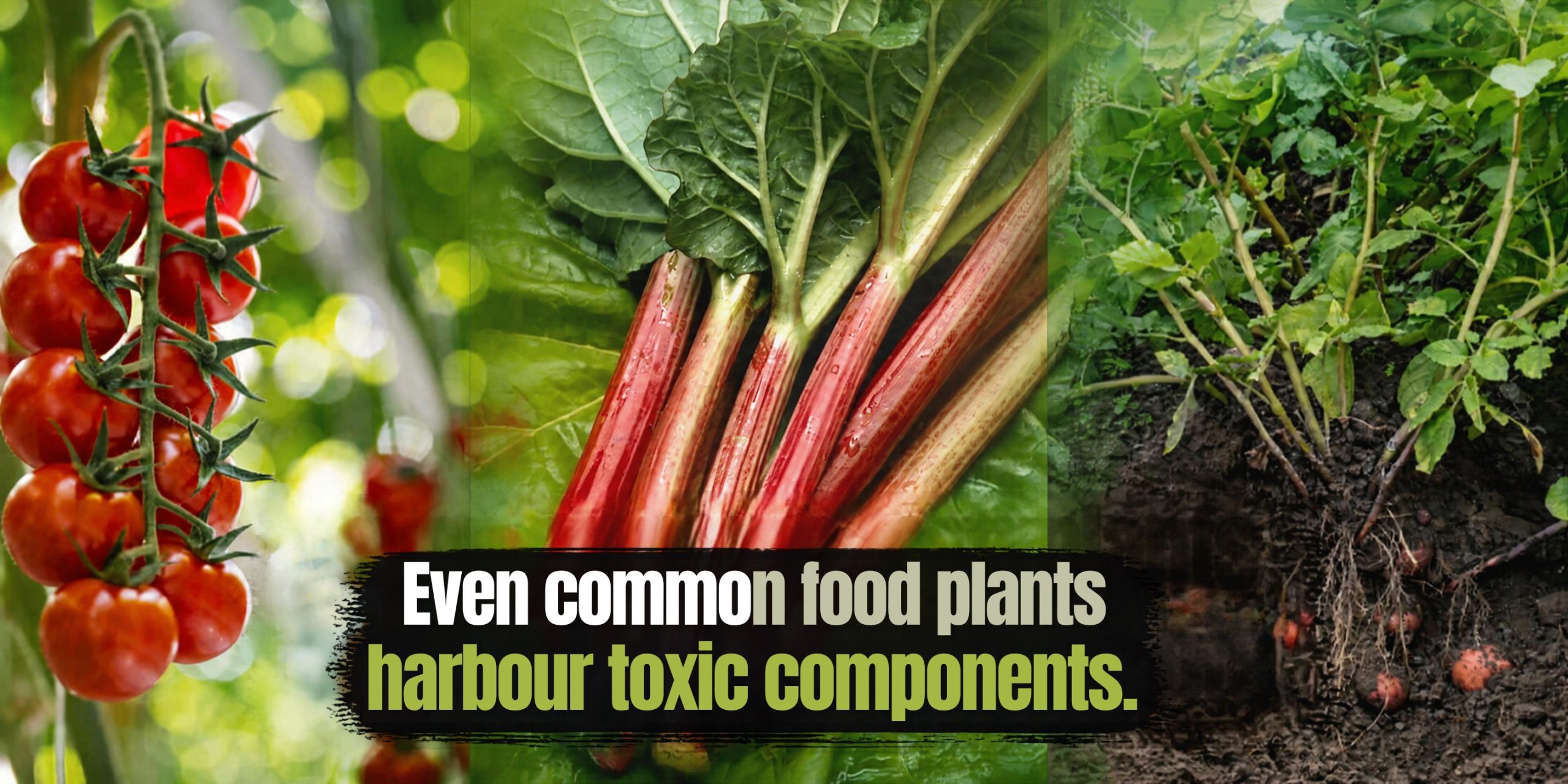
I've encountered numerous instances where clients, seeking "edible landscapes," inadvertently specified plants with complex safety profiles. Manihot esculenta (cassava), a dietary staple for over 800 million people, requires proper processing to remove cyanogenic glycosides from its tuberous roots. Raw cassava consumption can prove fatal. Even tomato (Solanum lycopersicum) leaves contain the same alkaloids as their potato relatives, rendering them unsuitable for consumption despite the fruit's safety. Xanthosoma sagittifolium (cocoyam) is a highly productive and ornamental Aroid producing edible tubers that feed a large proportion of populations throughout the tropics, notably South America, yet it contains calcium oxalate crystals causing notable pain when ingested raw, yet are easily neutralised with cooking for only a few minutes. Similarly for Amorphophallus paeoniifolius (elephants foot yam).
Even the ubiquitous Spinacia oleracea (spinach) has high levels of oxalic acid that create calcium oxalate crystals that may cause kidney stones if eaten raw in too large a quantity, yet when sauteed for only a few moments, these are rendered neutralised.
Many of these species are the mainstay species within our home vegetable gardens, ornamental gardens and food production systems, and have been safely sharing our living spaces and dinner tables for thousands of years.
This inherent complexity, toxicity localised within specific plant parts or developmental stages of a plant, underscores why detailed botanical knowledge proves essential rather than optional when safety matters to understand the difference between edible or not.
Indoor Environments: Managing Confined Spaces
Indoor cultivation presents particular considerations given the proximity to human activity and limited air circulation. Paradoxically, many ubiquitous houseplants contain toxic compounds yet thrive in millions of households without incident. This apparent contradiction illuminates the gap between theoretical toxicity and practical risk.
Consider Epipremnum aureum (Pothos), arguably the world's most popular indoor plant. Recent research confirms its air-purification capabilities whilst acknowledging its calcium oxalate crystals cause oral irritation if ingested. Yet its exceptional tolerance of low light conditions, combined with aerial root production enabling climbing habits, makes it ideally suited to indoor vertical applications, provided placement ensures it remains beyond casual reach.
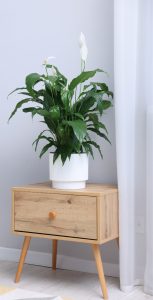 Spathiphyllum species (Peace Lily), Aglaonemas and Monsteras demonstrate similar profiles: calcium oxalate content demands respect, yet studies document their effectiveness removing volatile organic compounds from indoor air. Zamioculcas zamiifolia (ZZ Plant), whilst containing toxic compounds, exhibits remarkable drought tolerance through succulent rhizomes, making it suited to low-maintenance indoor applications.
The solution lies in strategic spatial design and an understanding of nature of plants and human habitats.
Educational and Healthcare Environments: Heightened Responsibility
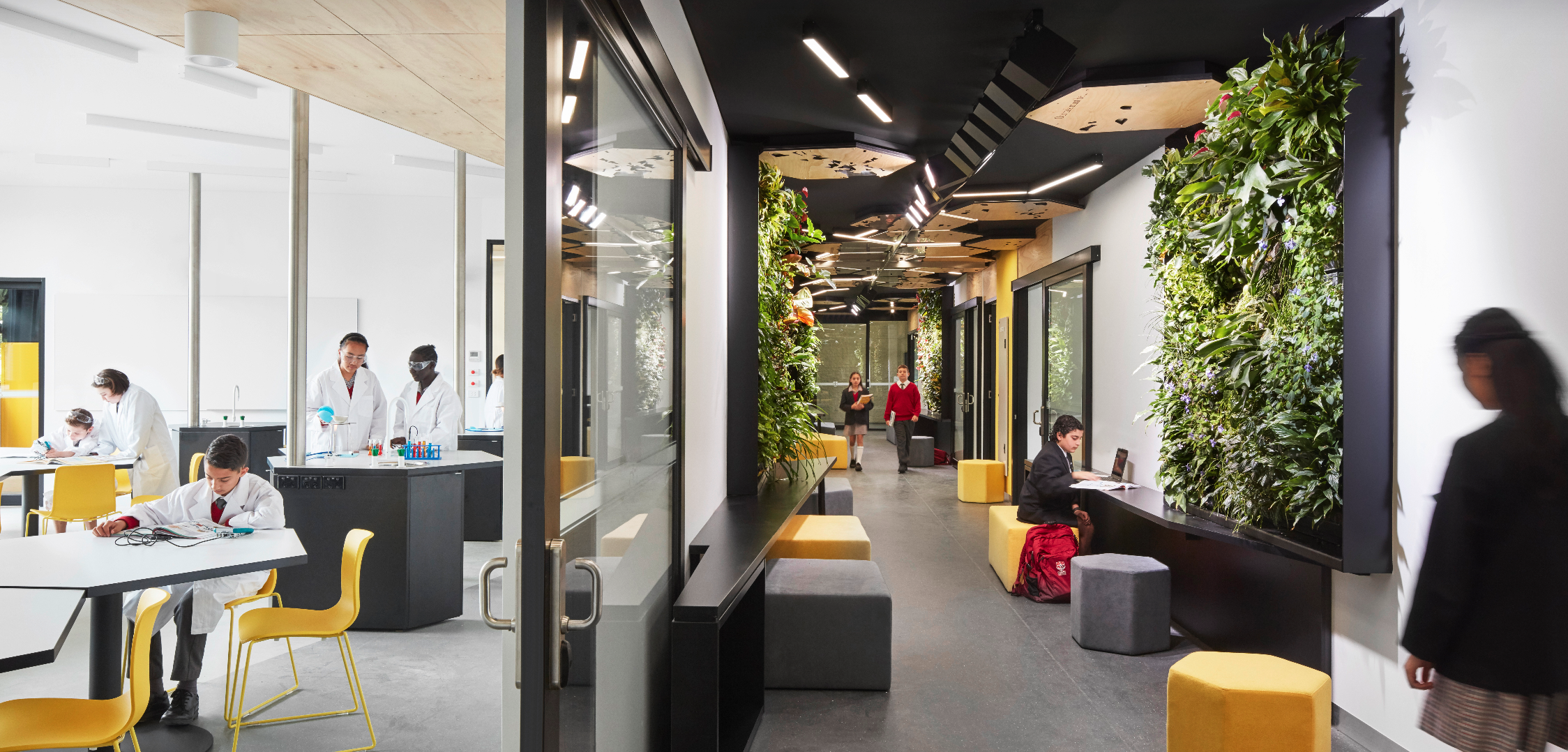
School and hospital gardens demand our highest safety considerations. In school environments where young children cannot read warning signage or make informed decisions, the presence of highly toxic plants in accessible areas cannot be justified through educational value alone.
This doesn't necessitate botanical sterility. Many plants demonstrate ecological principles whilst posing minimal risk. Mentha species offer lessons in vegetative reproduction and essential oil production with negligible toxicity. Tropaeolum majus (Nasturtium) provides entirely edible flowers and leaves whilst demonstrating companion planting principles. Calendula officinalis offers medicinal properties and pollinator attraction without significant toxic risk.
Some individuals may have sensitivity to pollen, whilst certain patients experience beneficial responses, reducing hospital recovery times, reduces stress, reduced pain medication requirements, etc.
Hospital gardens increasingly recognise therapeutic benefits of diverse plantings. Recent studies examining therapeutic garden design demonstrate that Lavandula species, when placed in raised beds or elevated planters, provide aromatherapeutic benefits whilst minimising contact risk for ambulatory patients. The volatile compounds released require no physical contact to deliver stress-reduction benefits documented in healthcare literature.
Strategic design, using raised planters, designated sensory areas with supervised access, and careful species zoning, enables therapeutic benefits whilst maintaining appropriate safety standards. This represents risk management rather than risk avoidance with the crucial distinction.
Vertical Gardens: System-Specific Requirements
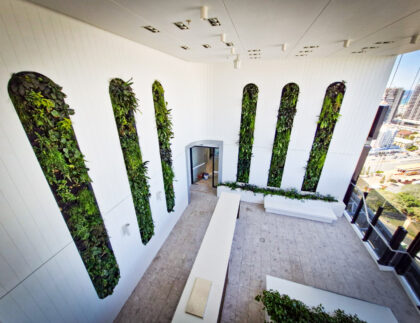
Hydroponic vertical garden technologies demand specialised understanding often absent from conventional landscape practice. These systems utilise fabric or specialised foam substrates rather than granular media, requiring species adapted to aerial or lithophytic growth habits. The fundamental error many designers make involves attempting to force terrestrial species into vertical applications where they cannot thrive.
Appropriate species for true vertical gardens include epiphytes adapted to growing on vertical surfaces. Platycerium species (Staghorn Ferns), whilst containing mild irritants, naturally colonise vertical substrates and demonstrate excellent adaptation to hydroponic systems. Peperomia species exhibit succulent characteristics and compact growth suited to vertical applications. Rhipsalis species, despite mild toxins, represent ideal vertical garden candidates through their epiphytic, cascading growth habits.
For climbing species, Philodendron scandens and Epipremnum species perform excellently when planted at system bases, utilising natural climbing habits. These species evolved to ascend tree trunks in their native habitats, thus vertical gardens simply provide analogous structures. The value of many such species lie in their internal chemistry, pragmatic use opportunities to separate species thus avoiding monocultures, reducing pest or disease spread, whilst zoning exposures and applying species tolerances appropriately.
The chemical challenge may also be the solution.
 Roof Gardens and Planter Boxes: Horizontal Opportunities
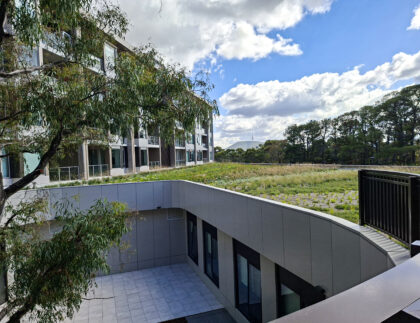
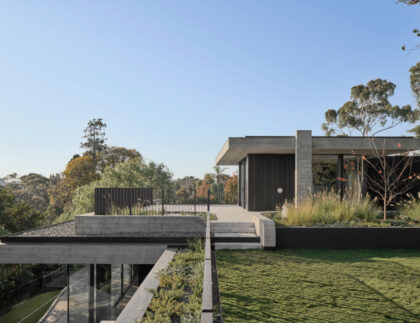
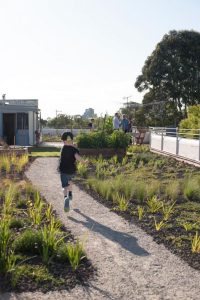
Roof gardens and planter boxes, utilising granular substrates mimicking terrestrial conditions, accommodate species often mistakenly suggested for vertical applications. Euphorbia species thrive in well-draining substrates with full sun exposure, conditions rarely presented in hydroponic vertical systems. Agave species excel in roof garden applications where their CAM photosynthesis provides water efficiency and architectural form creates visual impact.
Sedum species, whilst containing mild alkaloids, represent ideal roof garden plants through succulent adaptations and shallow root systems. Lavandula and Rosmarinus similarly excel in granular substrate applications with appropriate drainage and exposure.
This distinction, hydroponic vertical versus granular horizontal systems, represents fundamental design knowledge frequently absent from the industry. I've witnessed countless failures where designers specified inappropriate species for system types, resulting in poor performance regardless of toxicity considerations.
The use of such spaces becomes a vital consideration, with non-trafficable roof gardens being ideal hosts for species with potential toxicity chemistries, yet heightened drought, cold, heat, wind and thermal insulating tolerances and capacities. Environmental benefits often expand considerably when non-human-centric species selections are used to provide expansive ecological services.
Home Gardens: Embracing Informed Complexity
Residential gardens accommodate the widest plant diversity, from food production to ornamental display. Understanding the intersection of toxic and edible plants reveals sophistication required in plant selection and placement.
Many staple foods contain toxic components. Solanum lycopersicum (tomato) leaves contain solanine, Rheum rhabarbarum (rhubarb) leaves concentrate oxalic acid, Prunus species seeds contain amygdalin metabolising to cyanide. Phaseolus vulgaris (common bean) seeds contain phytohaemagglutinin requiring thorough cooking to denature toxins.
This complexity extends to medicinal plants where therapeutic and toxic properties coexist.
Aloe vera, whilst providing burn relief, contains aloin compounds causing gastrointestinal distress if improperly consumed. Understanding these dualities enables gardeners to cultivate beneficial species whilst respecting their properties.
The Botanical Expertise Imperative
Safe integration of toxic plants demands expertise transcending basic horticultural knowledge. Whilst horticulture provides cultivation techniques, botanical expertise offers deeper understanding of plant chemistry, evolutionary ecology, and physiological adaptations determining suitable applications.
Botanical knowledge encompasses understanding secondary metabolite production, how environmental stressors influence toxin concentration, and ecological roles these compounds play.
Many plants increase alkaloid production under drought stress or herbivore pressure.
Nerium oleander (oleander), tolerating urban pollution and drought, concentrates cardiac glycosides under stress conditions, informing placement decisions in public spaces.
Ecological design expertise extends beyond individual species to community dynamics. Many toxic plants serve as crucial host species for beneficial insects. Asclepias species (Milkweeds) are toxic to most herbivores, yet provide exclusive food sources for Monarch butterfly larvae, which sequester the toxins for their own defence. Eliminating such species from urban landscapes damages biodiversity networks extending far beyond our immediate designs.
Many Euphorbia species contain a caustic sap, causing blistering on skin for those individuals that are sensitive to its latex-like sap, yet on another individual the sap may help reduce skin cancer spread.
This brings us to the consideration that holistic design requires both sides of the dualistic scales of balance. We require some stress to develop fitness, we require challenges to develop resiliency, we require exposure to certain sicknesses and illnesses to develop a healthy and resilient immune system, we require bacteria from soils and unwashed plants in healthy habitats, on our skins, to maintain healthy gut biology…
Holistic Species Selection: Integration, Not Elimination
Effective urban habitat design requires holistic species selection evaluating multiple functional layers. Rather than eliminating toxic plants, this approach assesses each species' contribution to designed ecosystems whilst managing potential risks through intelligent placement and community composition.
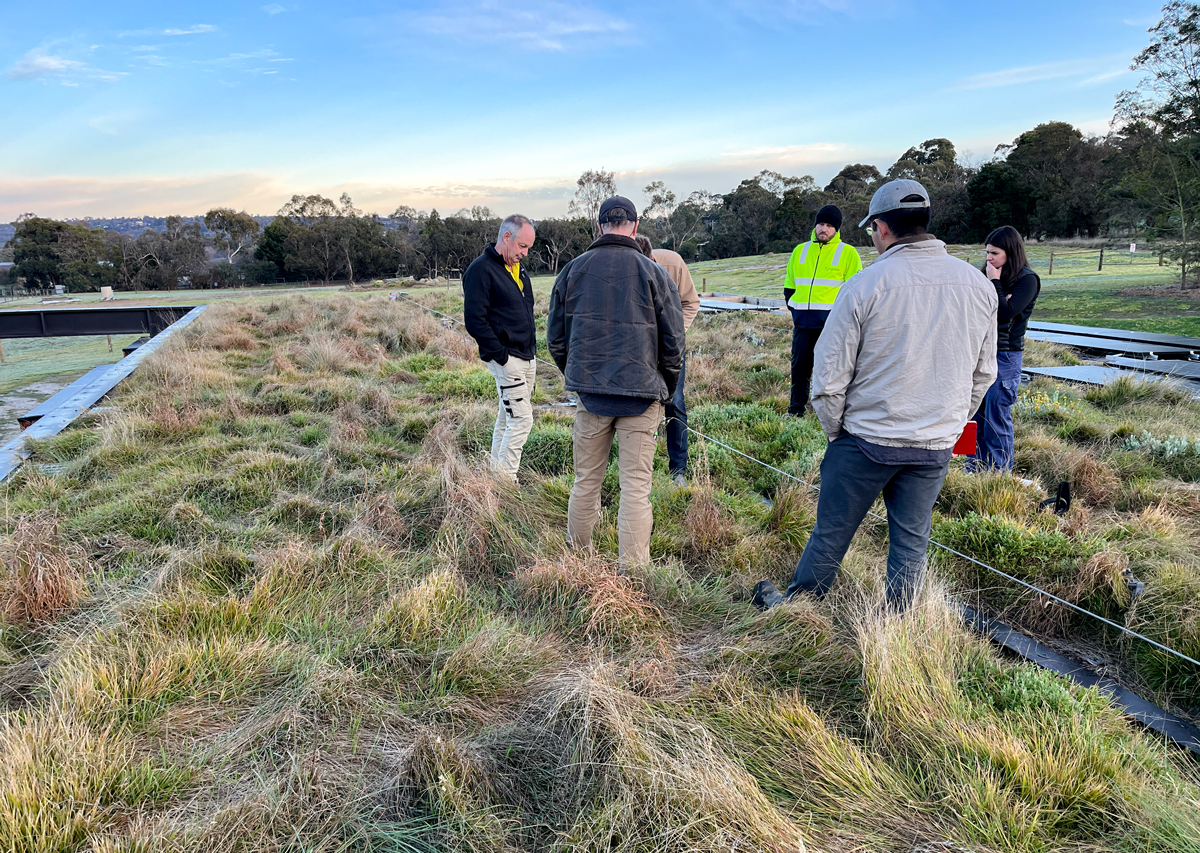
Consider stratified approaches: perimeter plantings might include spectacular but toxic species deterring browsing herbivores and insect pests, whilst providing ecological services. Interior high-traffic areas feature non-toxic or minimally toxic species creating safe interaction zones capable of surviving extreme interior shading and a lack of rain to wash foliage through seasons. Transition areas incorporate plants with moderate toxicity but high ecological value and capacities to be used to manage pedestrian comfort form intense winds, turbulence or airborne pollutants.
This represents sophisticated design addressing safety through spatial intelligence rather than botanical impoverishment through blanket exclusions.
Conclusion: The Benefit of Expertise-Driven Design
The presence of toxic plants in urban settings demands sophisticated understanding rather than overly simplistic avoidance. Through genuine botanical knowledge, system-specific expertise, and intelligent design strategies, we can harness plant diversity whilst maintaining appropriate safety standards.
Success requires recognising that different cultivation systems, whether vertical gardens, roof gardens, planter boxes or terrestrial beds, demand fundamentally different species selections. Understanding these distinctions, combined with knowledge of plant physiology, chemistry, and ecology, enables creation of urban habitats simultaneously safe, beautiful, and ecologically functional.
As urban environments face increasing environmental pressures, such as pollution, climate extremes, biodiversity loss, the resilience offered by appropriately selected diverse plant communities becomes increasingly valuable. By approaching design with genuine expertise rather than superficial knowledge, we create urban green infrastructure demonstrating how sophisticated understanding transforms potential hazards into valuable assets.
The future of urban greening lies not in creating sterile, "safe" spaces devoid of ecological complexity, but in designing sophisticated and integrated habitats respecting both human safety and ecological integrity. These require moving beyond fear-based avoidance towards knowledge-based management, where botanical expertise informs every design decision and ecological understanding guides every species selection.
References
Barceloux, D.G. (2009). Potatoes, Tomatoes, and Solanine Toxicity (Solanum tuberosum L., Solanum lycopersicum L.). Disease-a-Month, 55(6), 391-402.